Exploring the World of Idle Games: Why Doing Nothing Is So Satisfying
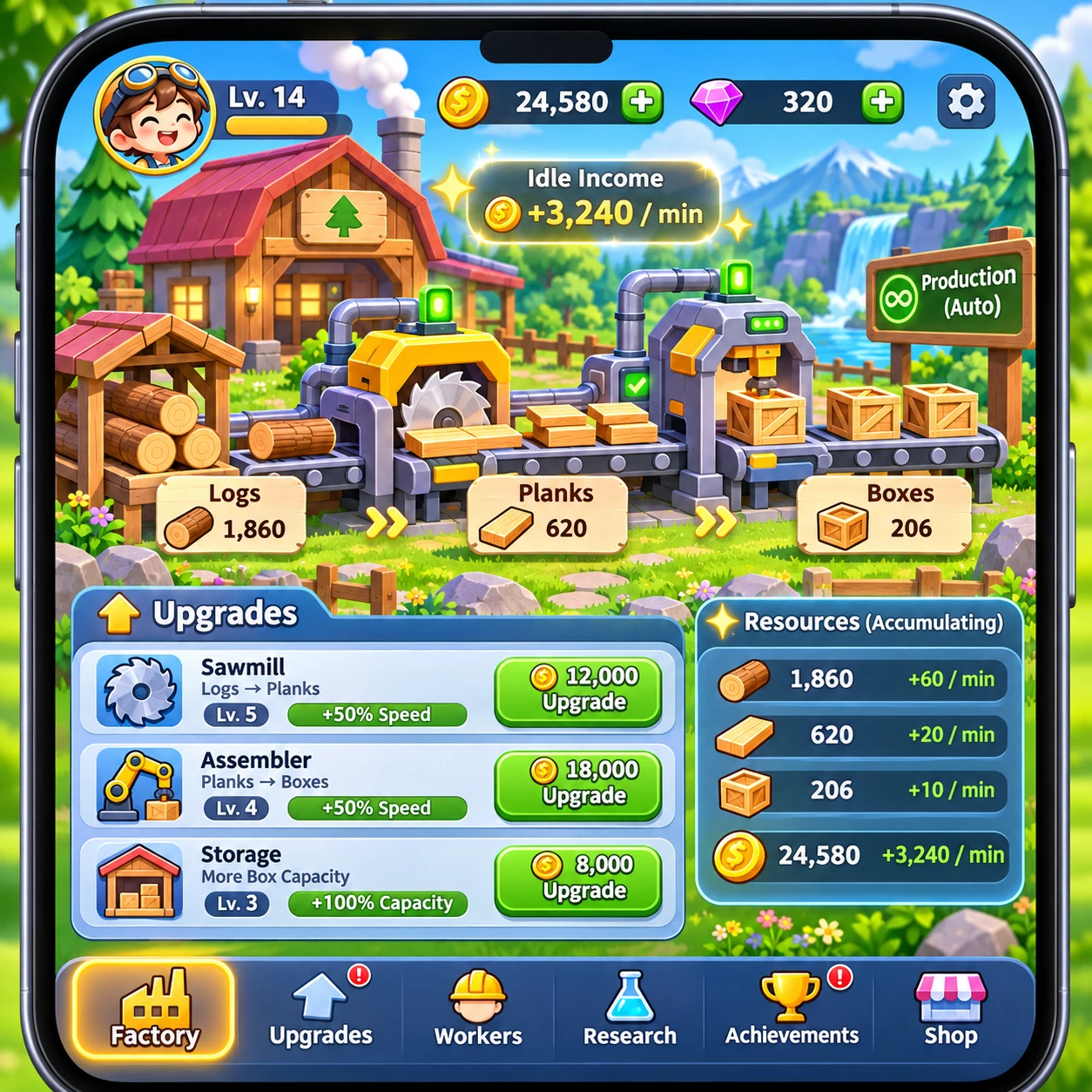
Idle games turn gradual progress into the main event. You might tap to earn your first coins, buy a helpful upgrade, then return later to find that your little operation has grown while you were away. The result is a style of play that can fit into a spare minute, yet still give you goals to work toward over time.
Sometimes called incremental games, idle games range from simple clickers to layered strategy games. Their appeal comes from a clear cycle: make progress, improve the system, and see what happens next. Doing nothing is rarely the whole story, but you usually get to choose how involved you want to be.
What Are Idle Games?
Idle games are games where progress can continue with little or no active input, often through automated systems or rewards earned while you are away. You can check in, make a few decisions, and leave without losing the whole thread of play.
At the start, an idle game may ask you to tap a button to collect a resource. Soon, you might spend that resource on an upgrade that increases production. Later, automated workers or machines can generate more while you focus on something else. That shift from manual action to passive progression is central to the genre.
Idle and incremental games overlap, but the terms are not always used in exactly the same way. “Incremental” highlights growth through repeated gains and upgrades; “idle” emphasizes that the game can make progress without constant attention. Many games are both.
One important detail: offline progress varies. Some games calculate what you earned while the app was closed, some cap those earnings, and others only progress when open. Check the game’s description or settings before assuming your production runs around the clock.
The Appeal of Watching Progress Add Up
Idle games feel satisfying because they make progress visible and easy to understand. A number climbs, a new upgrade becomes affordable, or a small operation grows into something much larger, giving each check-in a clear payoff.
That feedback loop is easy to follow: collect a reward, choose what to do with it, then see the result. Unlike a game that asks for a long stretch of focused play, an idle game can offer a small sense of completion in a short visit. You may return to find enough currency for a new building or discover that an upgrade has changed your income rate.
There is also a pleasing contrast between modest actions and expanding results. A few early taps might fund the first machine; later, a chain of automated systems can produce resources faster than manual clicking ever could. The game gives you a simple way to observe cause and effect.
That does not mean every player finds the loop relaxing. Repeated notifications, timers, or pressure to return can make a supposedly low-pressure game feel like another obligation. A good fit lets you set the pace, rather than making every break feel like lost progress.
Click, Upgrade, Automate, Repeat
Most idle games build on a cycle of clicking, buying upgrades, and automating production. These mechanics create a steady path from hands-on play toward a system that can keep generating resources with less effort.
Clicker mechanics are often the simplest starting point: tap or click to earn currency. The first upgrade may increase the reward per tap. Another might add a worker who earns currency automatically. Over time, you decide whether to keep clicking, invest in automation, or balance both.
Upgrades can change production speed, increase the value of each action, or unlock new features. Their costs usually rise as your operation expands, so resource management matters. Spending everything on the cheapest option may give a quick boost, while saving for a larger upgrade could improve production more over time.
Many games also include a prestige system. Prestige lets you reset some progress in exchange for a permanent bonus or special currency. The reset can feel like giving up a lot, so it helps to understand what carries over and whether the new bonus will make the next run meaningfully faster. It works best as a fresh strategic choice, not a button you press automatically.
These systems reward different levels of attention. A quick player may buy the most useful available upgrade and leave; a more engaged player may compare costs, production rates, and long-term returns.
From Short Sessions to Long-Term Goals
Idle games suit short sessions because their core actions are easy to pause and resume. You can collect resources, make one or two purchases, and close the game without needing to finish a long level or remember a complicated sequence.
At the same time, incremental progression gives players longer goals. A new production tier, a prestige reset, or a distant upgrade can provide direction beyond the next tap. The scale varies: some games are built for occasional check-ins, while others reward frequent planning and offer many systems to manage.
For a practical test, try a game for a few days and notice how it treats your time. Can you ignore it for an afternoon without feeling punished? Are offline earnings generous, limited, or unavailable? Do you enjoy making choices during check-ins, or does the game mostly ask you to claim rewards?
On mobile games, also look at notification settings and battery use. Notifications can remind you that a reward is ready, but they are optional in a well-designed experience. Turning them off is a reasonable way to keep the game on your schedule.
Different Kinds of Idle Games
Idle games come in several formats, from straightforward clickers to games with deep resource management. The right kind depends on whether you want a simple progress loop, a theme to explore, or meaningful decisions about how to grow.
- Simple clickers: Focus on tapping, collecting currency, and buying upgrades. They are easy to learn, though the loop can become repetitive if upgrades stop changing how you play.
- Automation-focused games: Center on building production chains, hiring workers, or connecting machines. These suit players who like watching a system become self-sustaining.
- Management and strategy games: Add choices about which resources to produce, which upgrades to prioritize, or how to balance competing systems. They ask for more attention but can make each check-in more engaging.
- Idle games with narrative or collection features: Use characters, discoveries, or story milestones to give growth a wider context. Progress may feel more personal, though collecting can sometimes add timers or extra currencies.
Many games mix these approaches. A game may begin as a clicker, then introduce automation, research trees, and prestige. That gradual expansion can keep the experience fresh, but extra layers are not automatically better. If every new system adds menus without changing your decisions, complexity may feel like clutter.
How to Choose an Idle Game You’ll Enjoy
Choose an idle game by matching its pace, complexity, platform, and monetization to the way you actually want to play. A quick check of these four factors can prevent a charming first impression from turning into a frustrating routine.
- Pace: Decide whether you want frequent small rewards or a slower game that builds over days. Look for details about offline earnings and any cap on stored progress.
- Complexity: Try the opening tutorial or screenshots. If you enjoy comparing upgrade costs and managing several resources, a deeper game may suit you. For low-effort play, a simple clicker may be a better match.
- Platform: Mobile games work well for brief check-ins, while browser or desktop versions may offer a larger interface. Consider whether you want progress synced across devices; do not assume it is available.
- Monetization: Check whether the game includes ads, optional purchases, subscriptions, or timers that can be skipped with payment. Free-to-play does not always mean friction-free.
Use a simple fit test: does the game give you satisfying choices, respect breaks, and make its costs clear? If you enjoy the theme but dislike checking in, disable notifications or look for a title with more generous offline progress. If you find yourself tapping without caring about the upgrades, try a version with more resource management.
For a casual-games audience, the best review question is not simply whether a game has lots of content. It is whether its systems make small visits worthwhile and whether its long-term goals feel optional rather than demanding.
Are Idle Games for Everyone?
Idle games work well for players who enjoy gradual growth and flexible sessions, but they are not a fit for everyone. Their low-pressure structure can be appealing; repetitive loops, limited interaction, or aggressive reminders can also wear thin.
The main trade-off is between convenience and involvement. Automation means you do not have to play constantly, but it can also leave you with fewer meaningful actions. A game with many upgrades may offer more decisions, yet take longer to understand. Look for a balance that feels engaging rather than busy.
Be alert to common frustrations:
- Buying upgrades without a goal: It is tempting to purchase whatever is available. Pause to compare what an upgrade changes, especially before spending a scarce resource.
- Assuming offline progress is unlimited: Many games cap rewards or calculate them differently while closed. Check the rules so you are not planning around income the game will not provide.
- Letting reminders set the schedule: Notifications can turn casual play into a routine you did not choose. Disable them if they interrupt more than they help.
Idle games are best treated as entertainment, not a task list. If the loop stops being enjoyable, taking a break costs nothing in many titles, though some games do limit offline gains. That limitation is useful to know before investing time or money.
Frequently Asked Questions About Idle Games
Idle games vary in how they handle offline progress, active clicking, session length, and purchases. These quick answers cover the most common questions before you choose a game.
Do idle games keep progressing when you’re offline?
Some do, but the rules depend on the game. A title may award offline earnings, cap them after a set period, or stop production when closed. Read its description or check its settings.
What is the difference between an idle game and a clicker game?
A clicker game emphasizes repeated taps or clicks to earn resources. An idle game emphasizes progress that continues with little active input. Many clickers add automation and become idle games as they grow.
Are idle games suitable for short play sessions?
Yes. Most are designed around brief check-ins, such as collecting resources and buying an upgrade. More strategic titles may take longer if you want to compare options or manage several systems.
Do idle games require in-app purchases?
Not always. Some are free with optional purchases or ads; others charge upfront. Check the store listing and in-game purchase menu, and decide whether the game remains enjoyable without paying.